Table of Contents
ToggleYou’re staring down a big dental decision: snap-in dentures or fixed implants? This choice can hit your wallet, shape your comfort, and affect your oral health for years.
Snap-in dentures usually cost less up front and let you remove them, while fixed implants are pricier but stick around for the long haul. Which one works for you? Well, that depends on your finances, lifestyle, and the condition of your jaw.
Here’s a breakdown of what really matters: costs, daily feel, maintenance, and who’s a good fit for each. Since price is often the deciding factor, it helps to know what dental implants actually cost before you commit. I’ll lay out the real-world details, not just the textbook stuff.
Key Differences in Dental Solutions
Let’s get into how each option attaches, what the process looks like, and what you’re trading off in terms of cost, comfort, and care. Stability, maintenance, and the steps involved all play into your long-term experience.
Overview of Snap-In Dentures
Snap-in dentures use two to four implants as anchors, plus a removable denture that clips onto them. You get better bite force and less slipping than old-school dentures, but you still pop the denture out for cleaning.
You’ll see lower upfront surgery costs and less complexity compared to a full fixed bridge. The denture base supports your tissue, so you only keep bone near implants—not across your whole jaw like with fixed bridges.
Every day, you’ll remove the denture at night, clean the attachments, and swap out nylon housings that wear down. Hygiene access is easier, but you’ll need some maintenance appointments along the way.
Understanding Fixed Implants
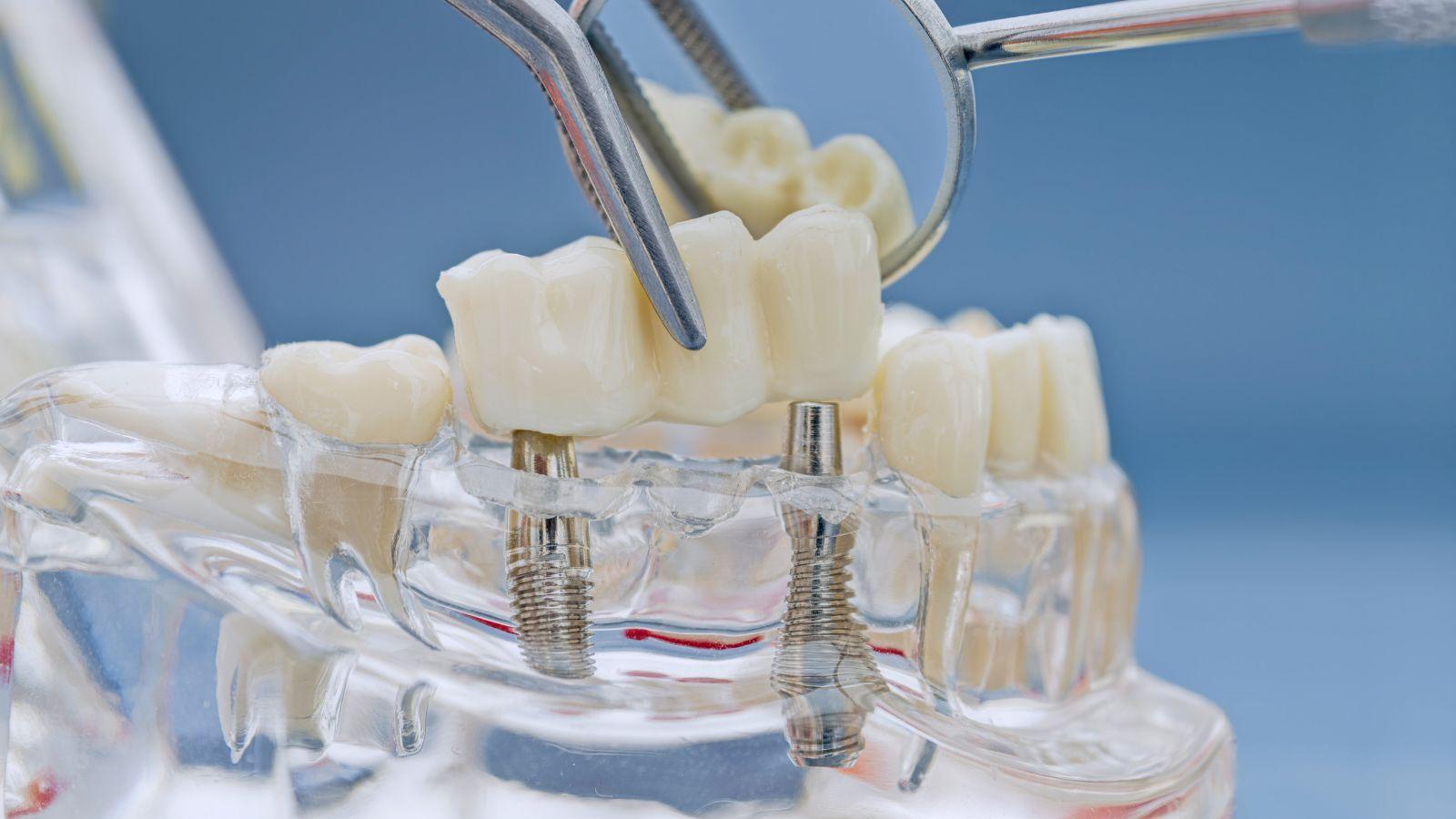
Fixed implants—think all‑on‑4 or a fixed bridge—use four or more implants to hold a permanent prosthesis. You can’t take these out yourself.
You get almost normal chewing, steady bone stimulation, and the feeling of having real, permanent teeth.
The process is more involved. You’ll need precise implant placement, sometimes bone grafting, and several stages—maybe even a temporary bridge before the final one.
Cleaning takes more work: daily brushing, flossing under the bridge, and maybe a water flosser. If you need repairs or tweaks, you’ll have to see your dentist since you can’t remove it at home.
Treatment Procedure Comparison
For snap‑in dentures, you start with implant placement under local anesthesia. Then you wait 2–4 months for healing, and finally, you get a removable overdenture that snaps onto the attachments.
Sometimes you’ll get a temporary denture on the same day as surgery, stabilized by the implants.
Fixed implants need more planning—CBCT scans, surgical guides, maybe grafting. Sometimes you get a temporary bridge right after surgery, but the final prosthesis comes after everything heals.
Recovery’s usually quicker with snap‑in dentures—fewer surgical sites, less chair time. Fixed implants might mean a longer recovery at first, but you’ll probably need fewer long-term adjustments. Your choice comes down to cost, healing time, and whether you want permanence or removability.
Financial Considerations and Long-Term Value
You’ll have to weigh higher upfront costs against the potential for lower replacement and bone-preservation expenses down the road. Look at the immediate price, yearly maintenance, and what your insurance will actually help with.
Initial Cost Analysis
Snap-in dentures usually run $1,500 to $5,000 per arch, depending on the attachments and lab fees. Implant-retained overdentures need 2–6 implants and average $5,000–$20,000 per arch. Go for full fixed-implant solutions (like All-on-4), and you’re looking at $20,000–$30,000 for a full mouth.
Implant costs come from surgery, abutments, and prosthetic work. Denture costs are mostly for the prosthesis itself and attachments. If you’ve lost a lot of bone, grafting can tack on another $1,000–$5,000, which narrows the price gap.
Here’s a quick checklist for quotes:
- Number of implants you’ll need
- Bone grafts or extractions?
- Removable or fixed prosthesis?
- Lab and surgeon fees
Ongoing Maintenance Expenses
Snap-in dentures need relines, new attachments, and replacement prostheses. Figure on $200–$1,500 every few years for relines, fresh O-rings or clips, and a new denture every 5–10 years depending on wear.
Implants don’t need as many prosthetic replacements, but you’ll still need routine hygiene and the occasional component swap. Count on annual cleanings and possible abutment or screw costs ($150–$800) over the years. If you get peri-implantitis, treatment can cost hundreds or even thousands.
Typical recurring costs include:
- Professional cleanings and checkups
- Attachment replacements (clips, O-rings, locator inserts)
- Relines or prosthesis replacement
- Treatment for complications (infection, implant failure)
Insurance Coverage and Payment Options
Dental insurance usually covers part of the denture costs but caps benefits. Most annual maximums ($1,000–$1,500) won’t come close to covering full implant treatment.
A lot of plans call implants a “major” service or leave them out entirely, but they’ll cover some regular denture work.
Ask your insurer for a detailed preestimate. Make sure you know what’s covered—diagnostics, grafting, lab fees, follow-up care. Payment options include:
- Dental savings plans (discounted fees)
- Dental financing (3–60 month plans, interest varies)
- Health-care credit cards or in-office payment plans
Get written estimates and compare your out-of-pocket costs over 10–20 years before making the call.
Lifestyle Impact and Patient Experience
Snap-in dentures offer easy removal and lower upfront cost, but fixed implants give you greater stability and fewer daily steps. Your choice will affect chewing, speech, looks, cleaning time, and how fast you settle in.
Daily Comfort and Functionality
Snap-in dentures definitely beat traditional dentures for retention, especially with soft or moderate foods. They usually attach to 2–4 implants, which cuts down on movement, but you might still feel some rocking when you bite into something tough—apples or steak, for example.
Fixed implants anchor a full-arch bridge to 4–6 (or more) implants. You’ll get near-natural biting force and steady stability, so you can chew crunchy or sticky foods without worrying about things shifting. Speech is more predictable, and you don’t have to remove anything during the day.
Appearance and Aesthetics
Snap-in dentures restore a natural-looking tooth line and support your cheeks and lips. You can choose the tooth shape and shade you like. Still, the acrylic base and removable design sometimes show thicker gum areas at the edges—some folks notice this when they smile close-up.
Fixed implant bridges give you a flush, contoured gum line that looks almost like the real thing. The prosthesis sits like a natural arch, so you avoid bulky-looking gums and get a more lifelike smile in most lights. The final look depends a lot on lab materials and the technician’s skill.
Hygiene and Maintenance Routine
You’ll need to remove snap-in dentures daily for cleaning. Brush the prosthesis with a nonabrasive brush, soak it overnight in denture cleaner, and clean the attachment housings in your mouth with a toothbrush and floss. Plan to replace nylon inserts every 6–24 months, depending on how hard you chew.
Fixed implants need in-mouth cleaning, just like natural teeth. Use a brush, interdental brushes, and floss or a water flosser around the implant collars and under the bridge. You’ll still need regular professional cleanings and checks for screw or framework issues, but you can skip the nightly soaking.
Adjustment Period and Adaptation
With snap-in dentures, expect a short adjustment period. Your speech might sound a little off for a few days or weeks while you get used to seating and stabilizing the prosthesis. Soreness at the attachment spots is common early on, and relines or adjustments often happen in the first few months.
Fixed implants take longer to heal after surgery, but once you get your bridge, you usually adapt fast—no movement, so speech and function feel natural. You might have numbness or mild discomfort for a few weeks after surgery, but long-term comfort tends to be higher and you won’t be fiddling with retention parts.
Candidacy and Suitability Factors
You’ve got to match your oral health, budget, and daily routine to what each option demands. The right pick hinges on your bone quality, health, and what you expect in terms of fit, maintenance, and longevity.
Eligibility Criteria
You need enough jawbone where the implants go. Dentists use a CBCT scan to check this. If you don’t have enough bone, you might need grafting—which bumps up cost and adds months.
For snap-in dentures, 2–4 implants per arch usually do the trick. Fixed full-arch implants (All-on-4/All-on-6) need 4–6 implants, sometimes angled in the back to avoid extra grafting.
Your gum health counts, too. If you’ve got gum disease or infections, sort those out before getting implants. Smoking and heavy drinking lower your odds of success, so dentists will want you to cut back or quit.
Age isn’t a dealbreaker, but you need to handle surgery and follow care instructions.
Health Considerations
Your overall health affects implant success. Conditions like uncontrolled diabetes, autoimmune disorders, osteoporosis (especially if you’re on bisphosphonates), and a suppressed immune system raise your risk of infection and failure. Be upfront with your dentist about all meds and health history—sometimes you’ll need a doctor’s clearance.
If you heal slowly, you might need a staged approach or extra procedures, especially for fixed implants that need solid bone integration.
Smoking and teeth grinding (bruxism) make things tougher. If you grind, your dentist might suggest a night guard or a different prosthesis design.
Your dentist will do a risk assessment—labs, imaging, maybe even a chat with your doctor—to figure out the safest way forward and which implant path fits your health and lifestyle.
Patient Expectations
Decide how much permanence and maintenance you actually want. If you want a removable prosthesis you can pop out daily and a lower upfront cost, snap-in dentures usually fit the bill.
They boost stability compared to standard dentures, but you’ll still need to deal with O-ring or locator upkeep and get them relined sometimes.
If you want the most chewing power, barely any movement, and a fixed solution, implant-supported arches generally deliver that. They come with a bigger price tag, take longer to finish, and you’ll need to be serious about oral hygiene.
Think about looks and how you want to sound, too. Fixed implants hold up your lip shape and cut down on palate coverage, so food might taste better and your speech could improve compared to full upper removable prostheses.
Getting the best appearance sometimes means more implants, custom abutments, or using temporary prostheses while you heal.
Your lifestyle matters here—budget, how often you’re willing to show up for follow-ups, and how you feel about surgery should all play into your decision, not just the clinical stuff.