Table of Contents
ToggleA cracked tooth can really stop you in your tracks. Pain, sensitivity, and the risk of infection mean you need to act fast.
Same-day crowns let your dentist restore strength and function in just one visit. That usually means you skip temporary fixes and weeks of waiting for a lab-made crown.
If you’re looking for immediate, durable repair, same day crowns in Evansville can often fix a cracked tooth the very same day. You get out of pain and back to your life—fast.
You’ll see how to spot dangerous symptoms, why speed matters, and what a same-day crown appointment actually feels like. I’ll walk you through the benefits, the chairside process, and some simple aftercare tips to help protect your new crown.
Recognizing Symptoms and Risks of a Cracked Tooth
You might notice sudden, sharp pain when you bite down, or maybe sensitivity to hot or cold. Sometimes your teeth just don’t fit together right anymore.
These are warning signs—a crack could need prompt attention to avoid infection, nerve damage, or even losing the tooth.
Common Signs of Tooth Fractures
- Sharp, sudden pain when biting or releasing pressure. It’s usually just one tooth, and it can feel like a jolt.
- Sensitivity to cold, hot, or sweet foods and drinks. Sometimes the sensitivity lingers even after you stop eating.
- Pain that comes and goes, so it’s easy to ignore until it gets worse.
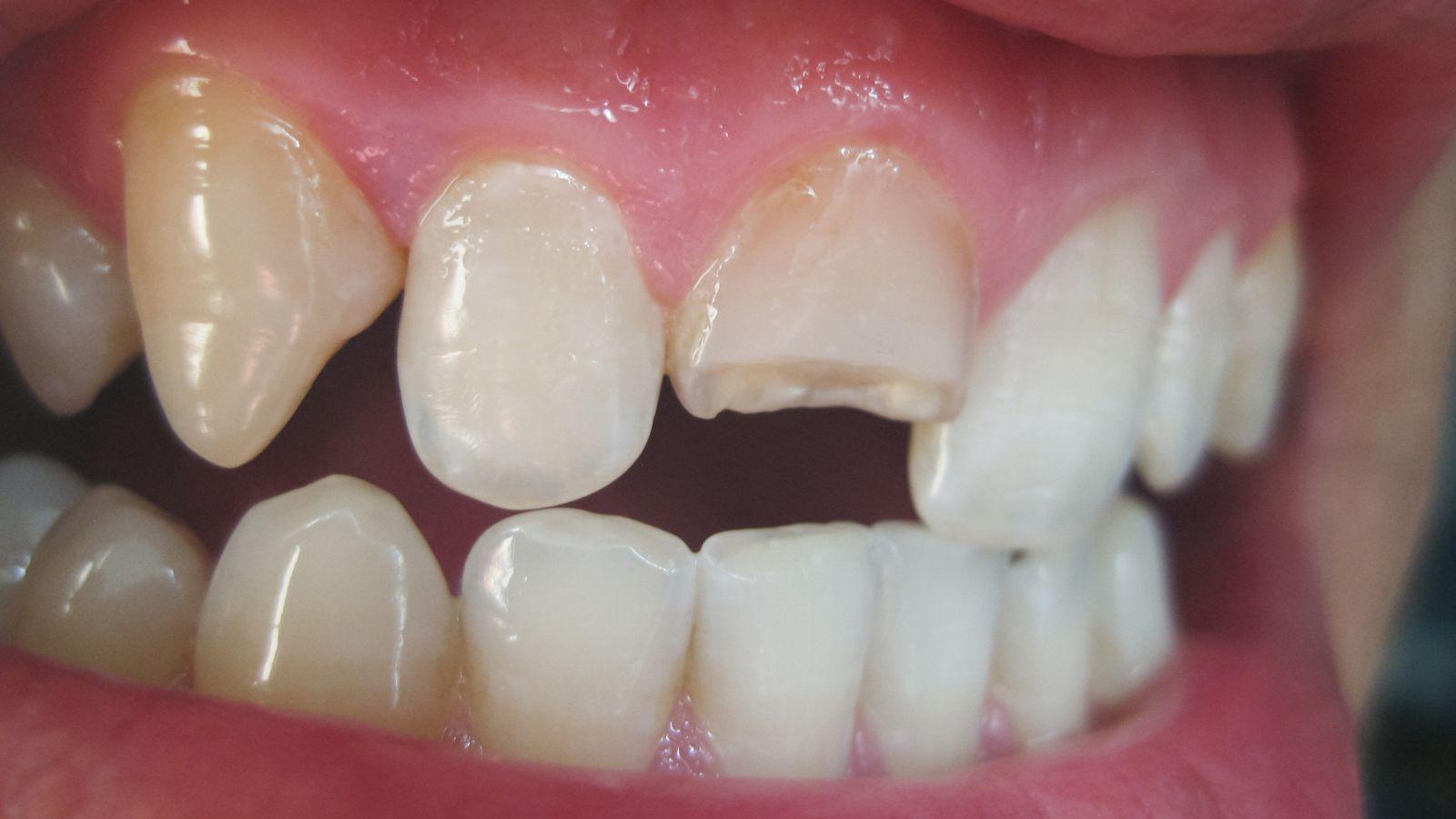
- Visible cracks, rough or jagged tooth edges, or a piece of tooth that feels loose.
- Swelling or tenderness in the gum nearby—could be irritation or the start of infection.
- Trouble figuring out exactly which tooth hurts. Cracked-tooth pain often radiates across your jaw.
If you notice any of these after a hit to the mouth, biting something hard, or just years of wear, treat that tooth as compromised. Get it checked out.
Potential Complications If Left Untreated
- Bacteria can infect the pulp (the tooth’s nerve) in just days or weeks, causing severe pain and possibly an abscess.
- A crack can split the tooth vertically, making it impossible to save. You might need an extraction.
- Chronic pulp inflammation can lead to ongoing sensitivity and eventually require a root canal.
- Infection can spread to the bone or nearby teeth, making everything more complicated and expensive.
- A weakened tooth can change your bite, putting extra stress on other teeth and any dental work you already have.
Getting a crown on early can hold the tooth together and keep bacteria out.
When Immediate Dental Care Is Necessary
Get same-day emergency care if you have severe, constant pain; a visible fracture with loose pieces; swelling or a draining abscess; or a crack that dips below the gumline. Those signs mean the nerve might be involved or there’s already an infection.
If pain only happens when you bite but the tooth looks okay, you should still get checked within a day or two. Quick imaging and an exam help your dentist figure out if you need a crown, bonding, or a root canal to save the tooth.
Advantages of Same-Day Dental Crowns
You walk out with a finished, fitted crown in a single visit. Modern milling and bonding restore both function and your smile, fast.
Speed and Convenience for Emergency Treatment
Same-day crowns mean you skip the usual back-and-forth. No temporary crown, no waiting weeks for a lab.
Your dentist scans, mills, and bonds the crown while you’re there. You spend less time in the chair, and you don’t have to worry about a temporary falling off.
This is a game-changer when your tooth hurts or feels sharp. You leave with a real, finished crown that lets you chew again—no waiting.
Fewer visits also mean fewer chances for scheduling headaches or extra numbing.
Advanced Technology Used in Same-Day Procedures
Dentists now use digital scanners, CAD/CAM software, and in-office milling machines. The scanner takes a 3D image of your tooth, and the software helps design the perfect fit.
The milling machine carves your crown from a solid block of ceramic or composite. It’s kind of wild how precise this stuff is.
Digital design means the margins and bite line up right, so your dentist doesn’t have to adjust much. You can even preview the color and shape before they make it.
Dentists can also save your scans for next time, so you won’t need another impression if you need more work later.
Long-Term Durability and Strength
Today’s same-day crown materials—think monolithic zirconia or lithium disilicate—are tough. They resist cracking and wear about as well as natural teeth.
Bonding techniques help spread chewing forces across the tooth, making the whole thing stronger. If you take care of your teeth, these crowns can last for years.
If you grind your teeth or have a complicated root canal, your dentist might still suggest a lab-made crown. But for most cracked front or premolar teeth, same-day crowns are strong and look great.
Step-By-Step Same-Day Crown Procedure
You’ll go from exam to finished crown in one visit. The process uses digital imaging, on-site milling, and immediate bonding.
Initial Examination and Digital Imaging
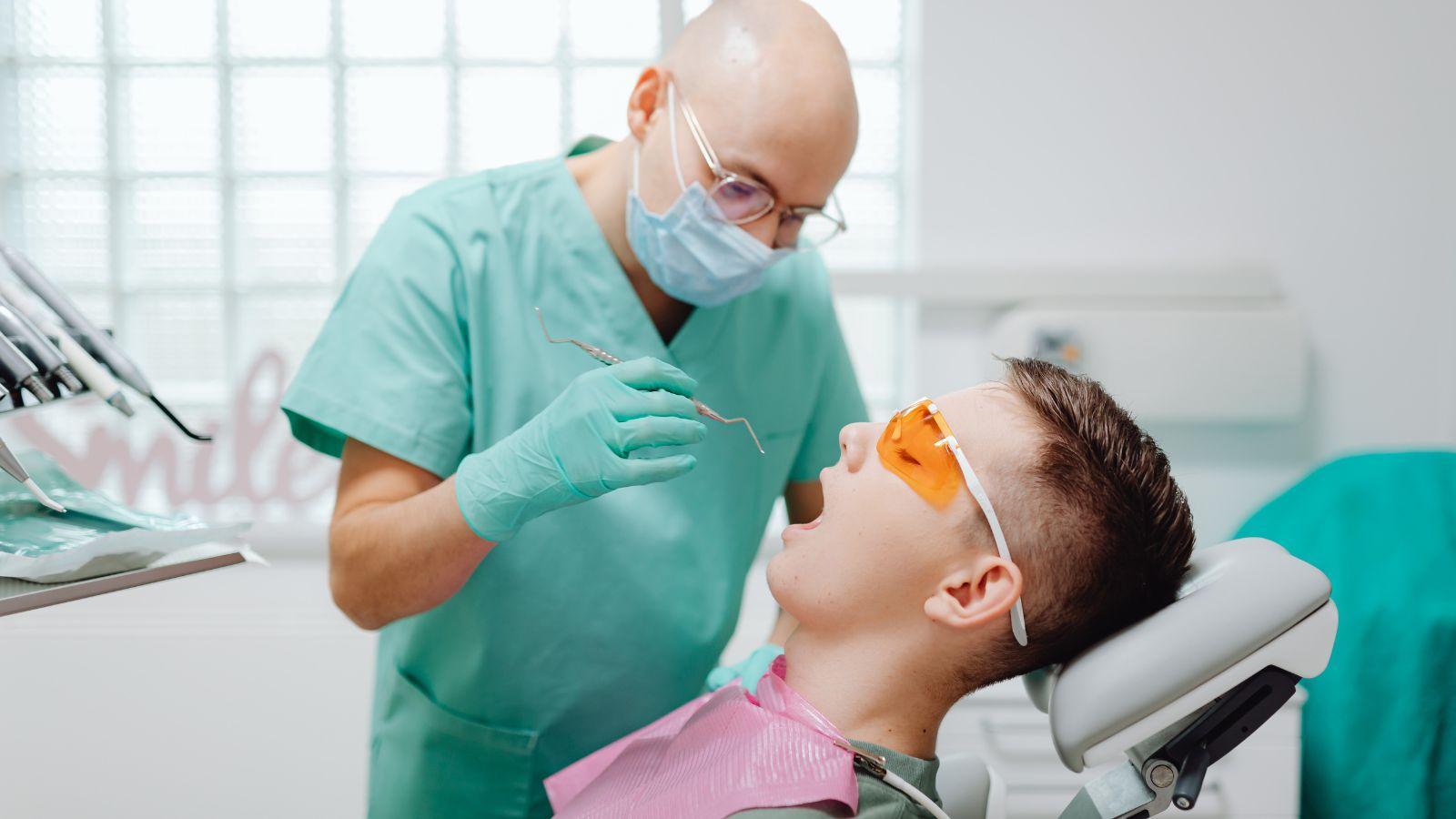
Your dentist starts with an exam of the cracked tooth and the area around it. They check for pain, how loose the tooth is, and how bad the crack is.
They’ll probably take an X-ray to make sure the root is okay and there’s no infection.
After that, local anesthesia goes in if you need it. Then comes the digital scan—no messy putty. It only takes a few minutes and gives a super-precise model.
The dentist checks the scan with you, making sure it’s ready for a crown and not a root canal or extraction.
Custom Crown Design and On-Site Fabrication
Using the scan, your dentist or their assistant designs the crown in CAD software. If it’s a front tooth, you’ll have a say in the shade and shape.
The milling machine gets to work while you hang out. Milling usually takes 15–30 minutes, depending on the crown’s size and material.
Sometimes the crown needs to go through a firing or glazing stage. That adds a little time but makes it stronger and shinier.
Once it’s done, the dentist checks the fit, contacts, and color. If something’s off, they can tweak the design and remake it right there.
Fitting and Final Placement Experience
Your dentist tries in the crown, checking how it feels against your other teeth and your gums. Small adjustments—maybe a quick polish or a tiny reshape—only take a few minutes.
Once everything looks and feels good, they bond the crown on with resin cement. They clean the tooth, maybe etch it, then seat the crown and cure the cement with a light.
You’ll get some quick bite instructions and home care tips. Most appointments run about 90–120 minutes, depending on how tricky the case is.
Caring for Your Restored Tooth After Treatment
Some sensitivity or soreness is pretty normal for a few days. Stick to the care instructions, avoid hard or sticky foods, and show up for any follow-ups.
Immediate Post-Procedure Guidelines
Rinse gently with warm salt water (about half a teaspoon in a cup of water) after meals for the first day or two. That helps with inflammation and keeps things clean.
Use a soft toothbrush and fluoride toothpaste. Brush twice a day, and floss gently—slide the floss out, don’t yank, especially if there’s a temporary crown.
If your bite feels off or the crown feels loose, call your dentist right away. They can adjust or re-cement it.
Manage pain with over-the-counter ibuprofen or acetaminophen. Skip aspirin on the area unless your dentist says otherwise.
Don’t chew on the treated side for a day if you had a local anesthetic or a temporary. Avoid super hot or cold drinks if you’re sensitive.
Stay away from hard, crunchy, or sticky foods until your dentist says everything’s set. No nuts, hard candy, or caramel for now.
Preventing Future Tooth Damage
If you grind or clench your teeth, wear a custom nightguard. Grinding puts a lot of pressure on crowned teeth and can cause fractures.
A good nightguard protects both the crown and the tooth underneath. Your dentist can help you get one that fits just right.
Make sure you schedule regular dental checkups and cleanings—usually every six months, unless your dentist says otherwise. At these visits, your dentist checks the edges of your crown for problems and looks for decay.
They’ll also watch for wear and adjust your bite if needed. It’s worth keeping up with these appointments, even if everything feels fine.
If your dentist prescribes a fluoride mouthwash or gel, use it to help strengthen the enamel around your crown. That little extra protection can make a difference.
Try not to use your teeth as tools—so, skip opening packages or biting your nails with them. Cut up hard foods into smaller pieces instead of biting down hard, since that can crack your crown or other restorations.