Table of Contents
ToggleDental pain or a knocked-out tooth can upend your day. Knowing what really needs same-day care in Wilmington helps you act fast and skip the panic.
If you have uncontrolled bleeding, severe pain, a knocked-out tooth, or signs of infection (swelling, fever, spreading redness), see an emergency dentist in Wilmington, NC immediately—these situations usually require same-day treatment.
Other issues—like minor chips, mild sensitivity, or a lost filling without pain—can usually wait for a scheduled appointment. You can manage those at home for a bit.
Let’s break down how to tell the difference, what you can do right away, and how to protect your teeth until you see a dentist.
Identifying True Dental Emergencies
You need clear signs to decide if you should get care now or wait for a regular appointment. Focus on how severe it is, infection risk, and any trauma that could threaten your tooth or health.
Recognizing Severe Pain and Swelling
Severe, persistent tooth pain that doesn’t get better with over-the-counter painkillers or lasts more than a day or two usually needs quick attention. If pain wakes you at night, shoots into your jaw or ear, or comes with facial swelling, you’re probably dealing with something urgent.
Swelling can mean a spreading infection or blocked drainage. If swelling comes on fast, feels hard, or makes it tough to open your mouth, breathe, or swallow, call an emergency dentist or go to urgent care right away.
You can rinse with warm salt water, use a cold pack outside your cheek for 10–15 minutes, and avoid chewing on the sore side. These help for now, but you still need a dentist to check things out.
Signs of Infection or Abscess
Watch for throbbing pain, a warm or sore lump on your gum, pus, or a bad taste in your mouth. Fever, swollen lymph nodes, or more redness around a tooth all point to an active infection that can spread.
Dentists spot abscesses on X-rays as a dark area at the root tip, which means the tooth’s nerve is in trouble. Infections can move fast, so get treatment the same day if you notice these signs.
Don’t try to pop or drain an abscess yourself. Dentists use antibiotics, drainage, root canals, or extractions depending on how bad it is.
Trauma Resulting in Broken or Knocked-Out Teeth
If you knock out a tooth, time really matters. Hold the tooth by the crown, rinse it gently if it’s dirty, and try to put it back in the socket within 30–60 minutes.
If that’s not possible, put the tooth in milk, saline, or your saliva and get to an emergency dentist immediately.
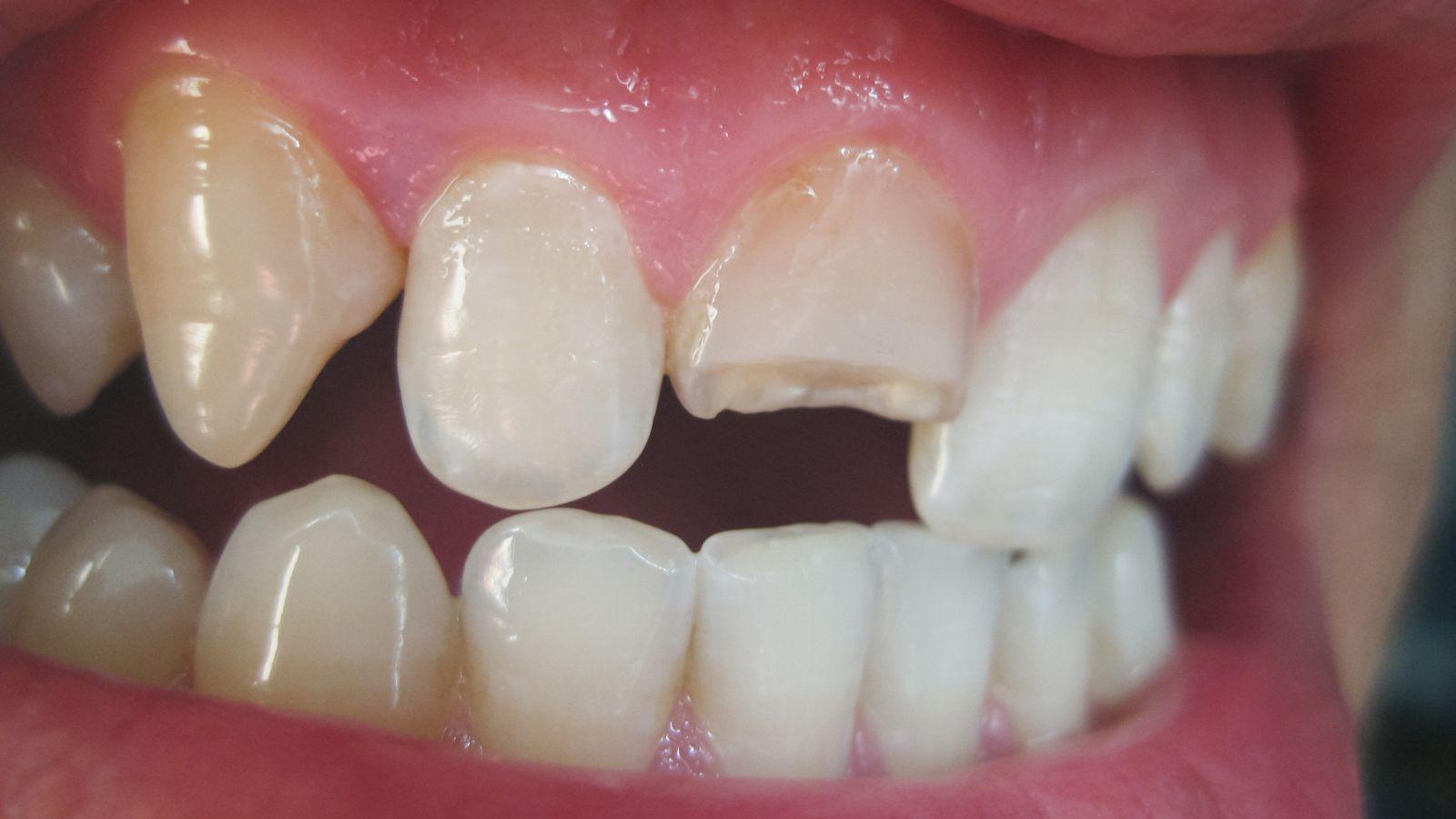
For fractures, figure out if it’s just a small chip or a bigger break that exposes pink tissue or causes lots of pain. Exposed pulp or large breaks raise infection risk and usually need same-day care—maybe bonding, a crown, a root canal, or extraction.
Bring any broken pieces with you. Make a note of how it happened and mention if you feel numbness or your jaw feels out of place. All these details help your dentist act fast and maybe save the tooth.
Situations That Can Wait for Dental Care
Some dental problems aren’t emergencies. You can handle them at home for a short time while you wait for your regular appointment.
Focus on keeping comfortable, protecting the tooth or gum, and watching for any changes that might mean things are getting worse.
Minor Toothaches or Sensitivity
If the pain is mild, comes and goes, and doesn’t mess with your sleep or daily routine, you can usually wait a few days to see your dentist.
Try ibuprofen or acetaminophen for pain, and use a desensitizing toothpaste with potassium nitrate or stannous fluoride twice a day. That can help with sensitivity over time.
Skip really hot, cold, or sweet foods that set off the pain. Rinse with warm salt water once or twice a day to calm things down.
Call your dentist sooner if the pain gets worse, you get swelling or fever, or the tooth starts to look discolored.
Lost Fillings or Crowns Without Pain
If you lose a filling or crown but don’t have pain or swelling, just call your dentist to set up a repair in the next week or two. Keep the piece in a clean container and bring it with you; sometimes they can just glue it back in.
You can cover the exposed area with dental cement from a pharmacy or a bit of sugarless gum until your appointment. Stick to soft foods and don’t chew on that side.
If you start to feel sensitivity, sharp pain, or see swelling, don’t wait—get care right away.
Chipped Teeth Without Sharp Edges
A small chip that doesn’t hit the nerve and doesn’t leave sharp edges can wait for a dental visit within a week. Rinse with warm water and use a cold pack outside your cheek if you have any swelling.
If there’s a rough spot, put a little orthodontic wax or sugarless gum over it so it doesn’t cut your tongue or cheek. Watch the tooth for darkening, more pain, or new sensitivity to hot or cold—if that happens, call your dentist sooner.
Mild Gum Irritation
If your gums are red, a bit swollen, and only bleed when you brush or floss (but don’t hurt much), you can try managing it at home for a few days.
Brush twice daily with a soft-bristled brush, floss gently, and rinse with an antimicrobial mouthwash or warm salt water.
If things don’t get better after a week of good brushing and flossing, or you see pus, severe pain, loose teeth, or swelling that spreads, make an appointment. Those signs could mean gum disease or infection that needs a dentist’s help.
Immediate Steps to Manage Urgent Issues
Act quickly but don’t panic. Try to stabilize the tooth or injury, stop any bleeding or swelling, and manage pain while you get ready to see a dentist.
First Aid for Dental Injuries
If you knock out a tooth, pick it up by the crown (the chewing part), not the root. Rinse off dirt with saline or milk, but don’t scrub.
Try to put the tooth back in the socket if you can. If not, keep it in cold milk or your saliva and get to a dentist within 30–60 minutes for the best shot at saving it.
For a broken tooth, grab any big pieces and bring them with you. If there’s a sharp edge, cover it with dental wax or sugarless gum for now.
If you think you broke your jaw or have facial trauma, don’t chew—head to the emergency room.
Controlling Bleeding and Swelling
Press firmly with clean gauze on bleeding gums or cuts for 10–20 minutes. If the gauze soaks through, swap it for a fresh one and keep the pressure on.
Sitting upright helps slow the bleeding. Try not to rinse too much or you’ll mess up the clot.
For swelling, use a cold pack on your cheek for 10–15 minutes at a time, then take a break. Always use a cloth to protect your skin.
If swelling comes with fever, redness that spreads, trouble breathing, or swallowing, go for immediate medical help—those could be signs of a dangerous infection.
Managing Pain at Home
Take over-the-counter painkillers like ibuprofen or acetaminophen as the label says. Some folks alternate the two for better relief, but only if it’s safe for you.
Topical anesthetic gels with benzocaine can help for a little while, but don’t use them on young kids. Rinse gently with warm salt water to help with pain and cut down on bacteria.
If pain is bad, won’t go away, or comes with swelling, fever, or pus, call an emergency dentist right away.
Prevention and Aftercare for Dental Incidents
A little prevention goes a long way. Good aftercare helps you heal and keeps future emergencies at bay.
Wear a mouthguard for contact sports or rough activities—custom ones from your dentist fit best, but boil-and-bite guards work too. If you grind your teeth at night, ask your Wilmington dentist about a nightguard; over-the-counter ones just don’t cut it for most people.
Skip chewing ice, hard candy, or popcorn kernels to avoid cracks. Keep dental tools and floss picks away from kids, and use scissors (not your teeth!) to open stuff.
Replace old fillings or crowns before they break. Book checkups every six months, or as your dentist suggests, to catch problems early.
If you wear a removable retainer or aligner, clean it daily and check for cracks—those can get sharp or trap bacteria.
Long-Term Solutions Following Emergency Treatment
After emergency care, stick to all discharge instructions as closely as you can. Take any antibiotics or pain meds exactly as your dentist tells you, and don’t smoke for at least 48 to 72 hours—it really helps healing, even if it’s tough.
Don’t skip your follow-up appointments. Urgent fixes usually need a more permanent solution within a few days or weeks, so staying on top of the schedule matters.
Talk with your dentist about what comes next. Maybe you’ll need a crown for a broken tooth, a root canal if the pulp’s involved, or even an implant if saving the tooth isn’t possible.
Ask for a written timeline and a cost estimate. It’s just easier to plan (and stress less) when you know what’s coming.
Once you’ve got your permanent repair, start a solid maintenance routine. Brush with fluoride toothpaste twice a day, floss once, and if your dentist suggests topical fluoride or something for sensitivity, give it a try.
If you notice new pain, swelling, or your tooth feels loose, let your dentist know right away. Catching problems early can save you a lot of trouble down the line.