Table of Contents
ToggleYou want whitening that actually sticks around—not just a quick boost that disappears in a few weeks. Professional treatments usually give you faster, stronger, and longer-lasting results than over-the-counter options, but you’ll pay more and need a cosmetic dentist in Anna, Texas to help (which, honestly, also cuts down on risk).
Let’s break down why stains show up, how in-office whitening stacks up against strips and kits, and what really helps you keep your teeth white for the long haul. You’ll get side-by-side comparisons on effectiveness, safety, cost, and maintenance, so you can pick what fits your wallet, your sensitivity, and your schedule.
Understanding Tooth Discoloration
Here’s what actually stains your teeth, how stains get classified, and why it matters for your health and treatment options.
Common Causes of Stains
Pigmented foods and drinks love to stick to enamel. Coffee, tea, red wine, cola, and colorful foods like blueberries or curry leave behind chromogens that cling to your teeth.
Tobacco’s tar and nicotine make yellow-brown stains that are just stubborn. If you slack on brushing or flossing, plaque and tartar build up, trapping even more stains and making whitening less effective.
Some medicines do more than help your body—they can darken your teeth, especially if you take them while your teeth are still forming. Doxycycline and certain blood pressure meds are notorious for this.
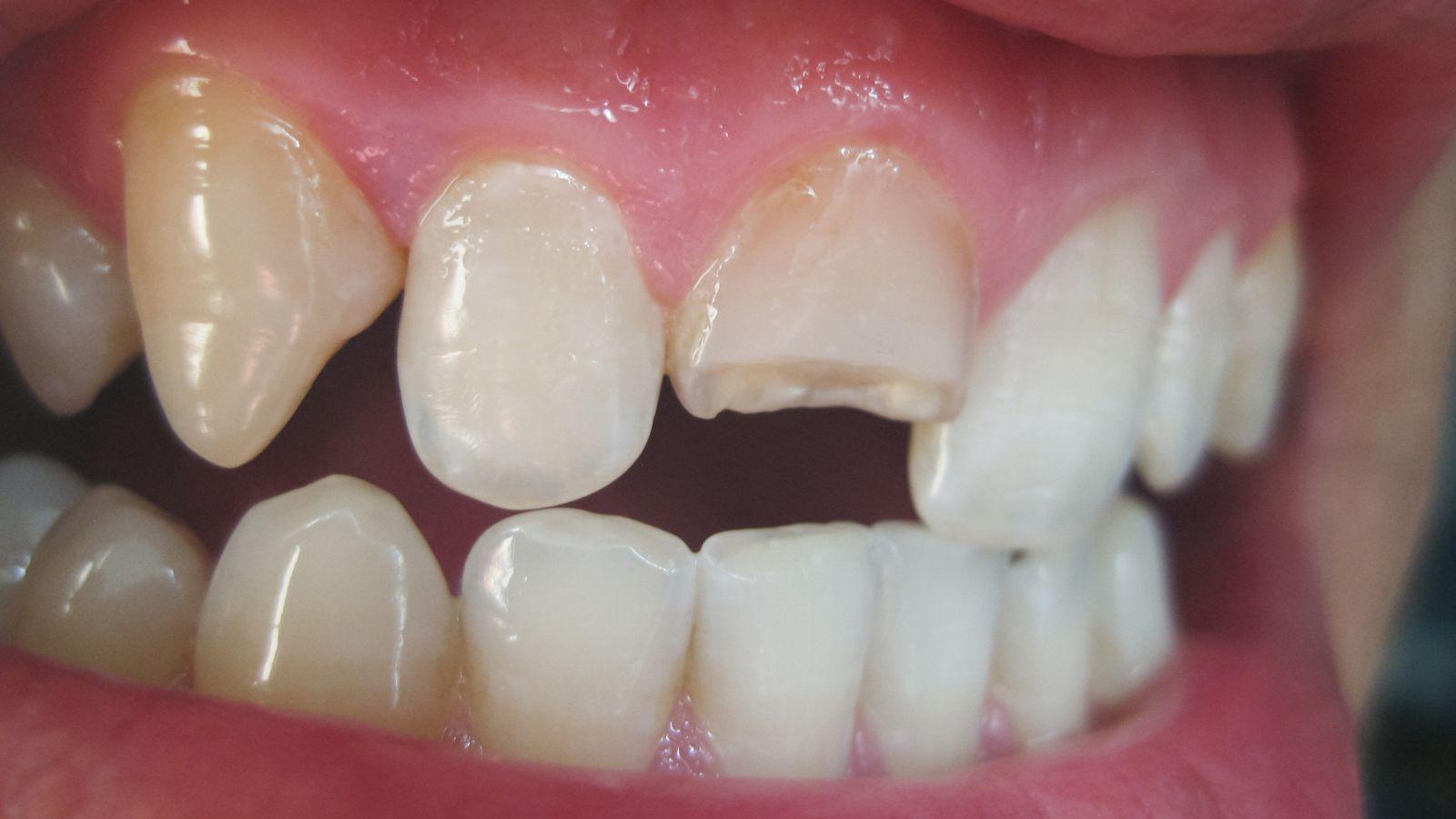
Getting older thins your enamel, so the darker dentin underneath starts to show through. Trauma matters too. If you knock a tooth hard enough, it can darken from the inside. Old fillings or composites sometimes make nearby teeth look darker and don’t respond to bleaching.
Types of Tooth Staining
Stains fall into two main groups: extrinsic and intrinsic.
- Extrinsic stains hang out on the enamel’s surface. You can usually polish these away, brush them off with whitening toothpaste, or bleach them with peroxide-based products.
- Intrinsic stains are deeper, inside the tooth. Stuff like fluorosis, tetracycline exposure, big cavities, or trauma can cause these. You’ll probably need in-office bleaching, internal bleaching, veneers, or crowns for these.
Sometimes, stains start on the surface but soak in deeper over time. OTC products might help a little, but dentist treatments work better on these.
Impact on Dental Health
Discoloration isn’t just about looks. Persistent brown or black spots might mean you’ve got decay that needs fixing, not just whitening. White spots can signal early enamel breakdown, which needs remineralization, not bleach.
When you’re self-conscious about your smile, you might skip regular brushing or even avoid the dentist. A dentist can figure out if whitening will help your specific stains or if you need other dental work first.
In-Office Whitening Treatments
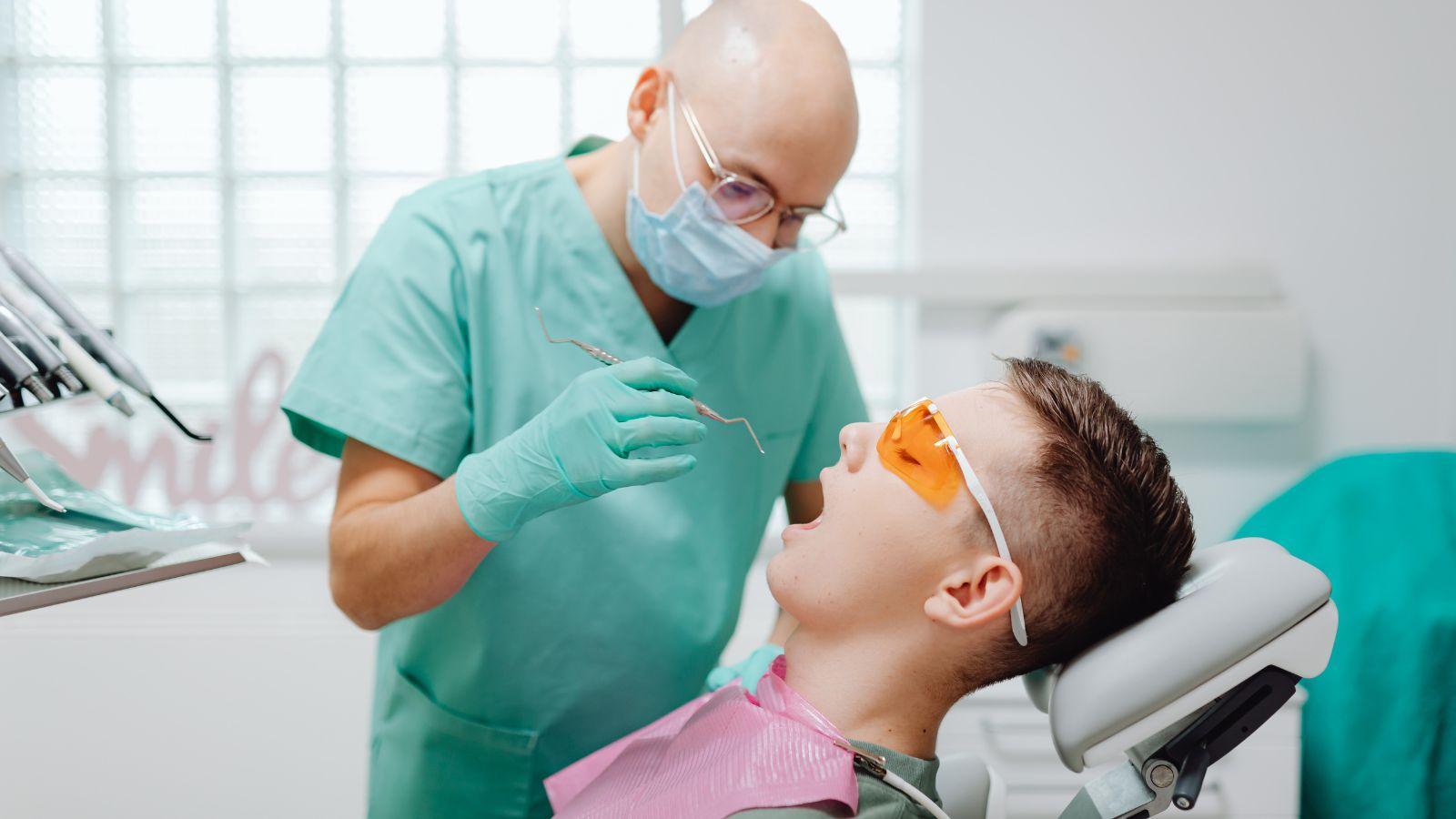
Dentists use stronger, faster-acting whitening agents and protect your gums and lips so you get a big shade jump in just one or a few visits. You’ll see active bleaching, careful gum protection, and real tracking of your results—so you know exactly how much lighter your teeth get.
Professional Techniques and Technologies
Dentists usually apply high-concentration hydrogen peroxide or carbamide peroxide gels right to your enamel. They’ll put barriers or rubber dams in place to shield your gums before starting.
A lot of offices use a light or laser with the gel to speed things up. LED or diode lights are common, and while they cut down on time in the chair, they don’t actually change the chemistry of the bleaching itself.
Some dentists send you home with custom trays and lower-strength peroxide for follow-up or gentler whitening at home.
Your dentist will check your starting shade with a guide or colorimeter, keep track of your progress, and adjust the gel strength or timing based on how your teeth react. They’ll also watch for any side effects.
Expected Results and Longevity
Most people see their teeth lighten by several shades in a single visit—often 3 to 8 shades, depending on how deep the stains are and how strong the peroxide is.
Professional whitening breaks down both surface and deep stains way better than most store-bought stuff. Results can last anywhere from 6 months to 3 years.
How long it lasts? That’s really up to your habits—if you drink coffee or red wine, or smoke, you’ll see stains come back sooner. Using maintenance trays or occasional touch-ups helps keep things brighter, longer.
You might get some sensitivity, but it’s usually temporary. Desensitizing gels or potassium nitrate toothpaste can help. Your dentist will set you up with a plan to keep your teeth white as long as possible.
Ideal Candidates for Clinical Procedures
In-office whitening makes sense if you want fast, reliable results, or if you have deep stains from antibiotics, fluorosis, or just age. It’s great if you need a specific shade for an event or dental work.
You’ll need healthy gums and no untreated cavities—otherwise, you risk more sensitivity or uneven results. Crowns, veneers, and bonding don’t whiten, so if you have a lot of them, you’ll need to plan with your dentist.
If you’re sensitive to whitening or pregnant, talk to your dentist about alternatives. Sometimes custom trays or lower-strength options are better.
Comparing Over-the-Counter Solutions
There’s a huge range of whitening products on store shelves—strips, gels, trays, you name it. Each has its own strengths and drawbacks.
Whitening Strips and Gels
Most strips and gels use hydrogen peroxide or carbamide peroxide, but at much lower strengths than what dentists use. Strips stick to the front of your teeth and are best for stains from coffee, tea, or smoking.
Gels come in syringes or pens and let you spot-treat certain teeth or touch up small areas. You’ll see gradual lightening over days or weeks, and results depend on how strong the product is and how regularly you use it.
You can expect to pay $20 to $60 for a course, but if you keep using them, the cost adds up.
Sometimes strips don’t cover every tooth evenly, or they slip, and if the product hits your gums, it can sting. If you have crowns, veneers, or really deep stains, these products won’t change their color.
Prescription vs. Store-Bought Products
Prescription-strength whiteners have more peroxide and usually require custom trays from your dentist. These work faster and give more dramatic results than store-bought stuff.
Dentists tailor the tray fit and how long you wear it to protect your gums and minimize sensitivity.
Store-bought options play it safe with lower peroxide levels. They’re good for mild stains or maintenance, but you’ll need to use them longer and buy more to keep results. If you want stronger whitening at home, ask your dentist about prescription trays.
Risks Associated with At-Home Use
The main risks? Tooth sensitivity and gum irritation. Peroxide can seep into your tooth and make it sensitive, especially with higher concentrations or if you overdo it.
Gum irritation happens when gel touches your gums or trays don’t fit well. Usually, it goes away when you stop using the product.
If you use whitening too much, you can damage your enamel or make sensitivity worse. These products won’t whiten crowns or fillings, so you could end up with mismatched teeth.
If you have cavities, exposed roots, or gum disease, check with your dentist before using any OTC whitening. It’s not worth risking more pain or problems.
Maintaining Results and Preventing Future Stains
If you want to keep your teeth white, you’ll need to tweak your habits and daily care. Smart routines, maintenance products, and regular check-ins with your dentist make a big difference.
Lifestyle Factors Affecting Whitening Longevity
What you eat and drink affects how long your whitening lasts, no question. Coffee, tea, red wine, soy sauce, and dark berries are the main culprits.
If you can’t give them up, at least rinse with water or brush within half an hour to cut down on stains.
Tobacco stains teeth quickly and deeply. If you quit smoking or switch to nicotine alternatives, your whitening will last longer and your gums will thank you.
Acidic foods and frequent snacks wear down enamel, making teeth stain more easily. Try to space out sugary or acidic foods, sip water between meals, and use a straw for staining drinks to keep them away from your front teeth.
Best Practices for Ongoing Oral Care
Brush twice a day with fluoride toothpaste—an electric toothbrush helps with consistency. Floss daily to get rid of stains between teeth where whitening products can’t reach.
Use whitening toothpaste or occasional touch-up strips as the package suggests. Look for the ADA seal if you can.
Consider dentist-made trays for maintenance—they fit better and use safer, lower peroxide levels.
Rinse your mouth with water after eating or drinking anything that stains, and chew sugar-free gum to boost saliva, which naturally cleans your teeth. Swap out your toothbrush or brush head every three months, or sooner if it starts to look worn.
When to Seek Professional Advice
If you notice sensitivity that just won’t go away after a week, or you’re seeing uneven color that over-the-counter stuff can’t fix, reach out to your dentist. Those problems might mean your enamel’s wearing down, your dentin’s showing, or there’s something else going on under the surface.
Got crowns, veneers, or big fillings? Talk to your dentist before trying strong whitening treatments, since those materials won’t change color—and, honestly, nobody wants mismatched teeth. It’s a good idea to get your teeth professionally cleaned every six months, or whenever your dentist suggests, so you can keep stains in check and stay on top of your oral health.